

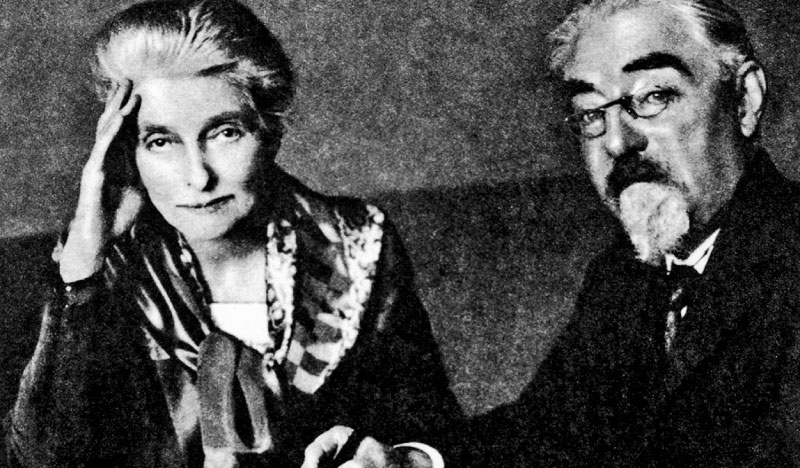
Beatrice and Sidney Webb
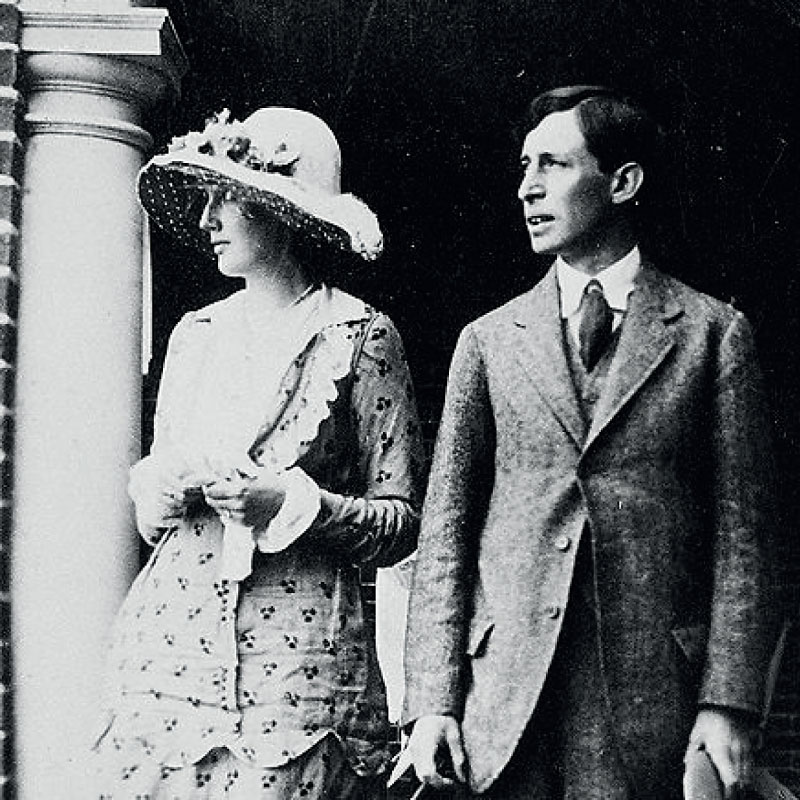
Virginia and Leonard Woolf
On the 77th anniversary of Sri Lanka’s independence from colonial rule following foreign domination of some four and a half centuries, the focus may well be on liberty from oppression or tyranny, and sundry freedoms in the sociopolitical and economic spheres.
But the right to chart one’s course as a sovereign nation state had a deeper anchorage in the case of the once model crown colony of Ceylon. And the granting of suffrage – in stages at first, and then universally for adults – played a significant role in the emergence and development of our country’s polity as it is today.
In the second part of an article on some of the elements leading up to the strategic grafting of universal adult franchise onto the people of colonial Ceylon following the Donoughmore reforms of 1931, we look at how the successive foundations for eventual total independence were laid.
That is a tale of gift, grant and a gentler-than-elsewhere raft of agitations against a long-lasting empire on its last legs.
[Continued from a previous issue…]
Thus, in 1931, 17 years before the country became independent, conventional history tells us that the then Ceylon became the first Asian country to be bestowed with universal suffrage in an interesting experiment in colonial self-governance. Wrongly described, according to Wickramasinghe, as “a major departure in British colonial administration” – since similar moves towards majority rule were occurring in other places of the Empire such as Palestine – the event is generally read as a ‘hurrah moment’, a pioneering effort towards the extension of the public sphere.
Overall, one might argue, as Russell does, that it has worked: India is still the largest functioning democracy in the world. Ceylon’s contribution to world history in taking on universal franchise, unasked and probably prematurely, yet making it work so well for so long, has resulted in perhaps a fairer and more equal world than otherwise might have been the case.
[Concluded]